Pari Vortex
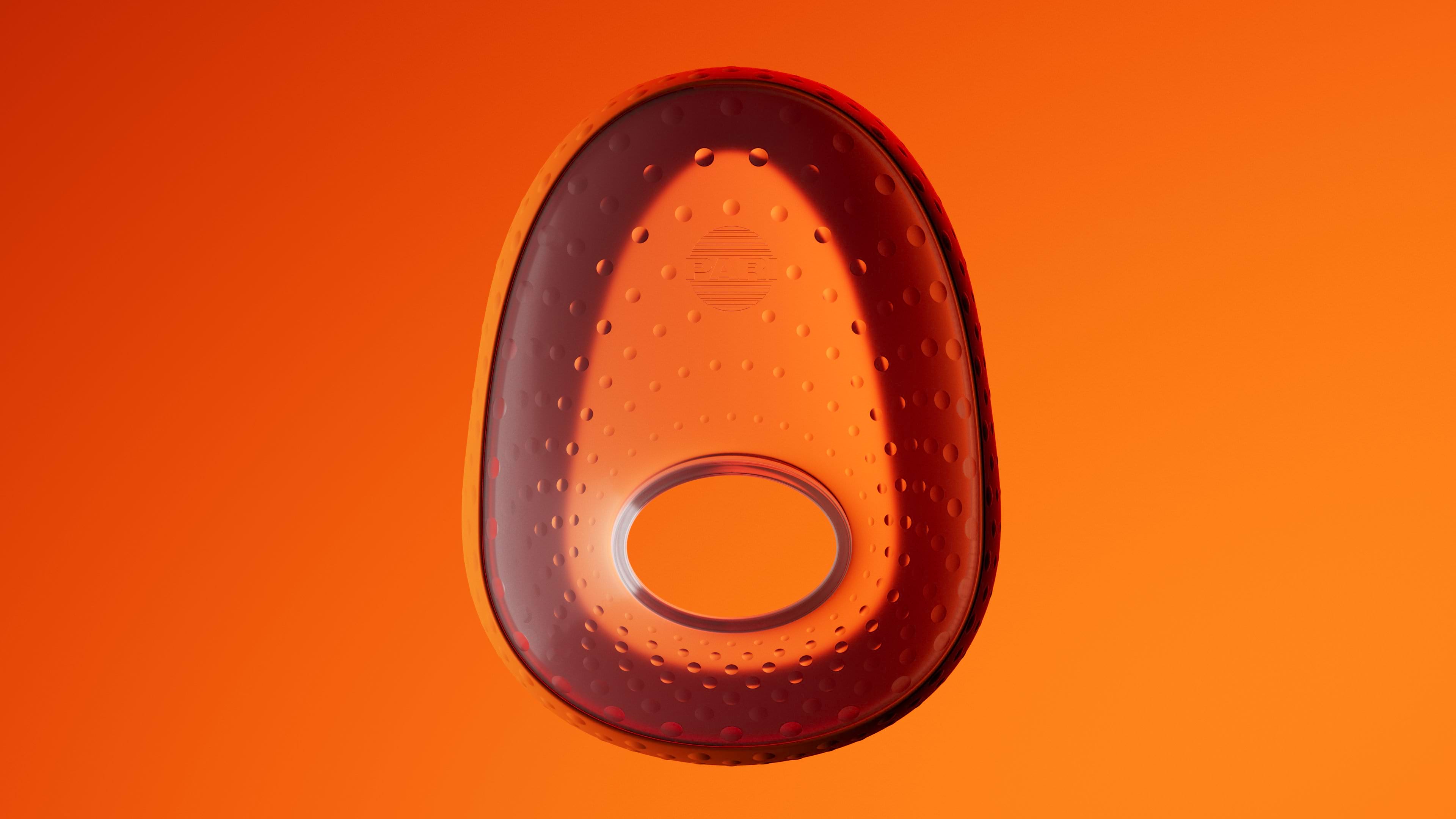
Element redesigned PARI's baby and child inhalation masks, unifying them under one design language while improving fit and seal performance. Two years in development. Now on shelf worldwide. Leakage reduced to as low as 1.3%.
What we were asked.
Bring PARI's baby and child masks into a modern, unified design language, without losing what makes them work at scale.
What we answered.
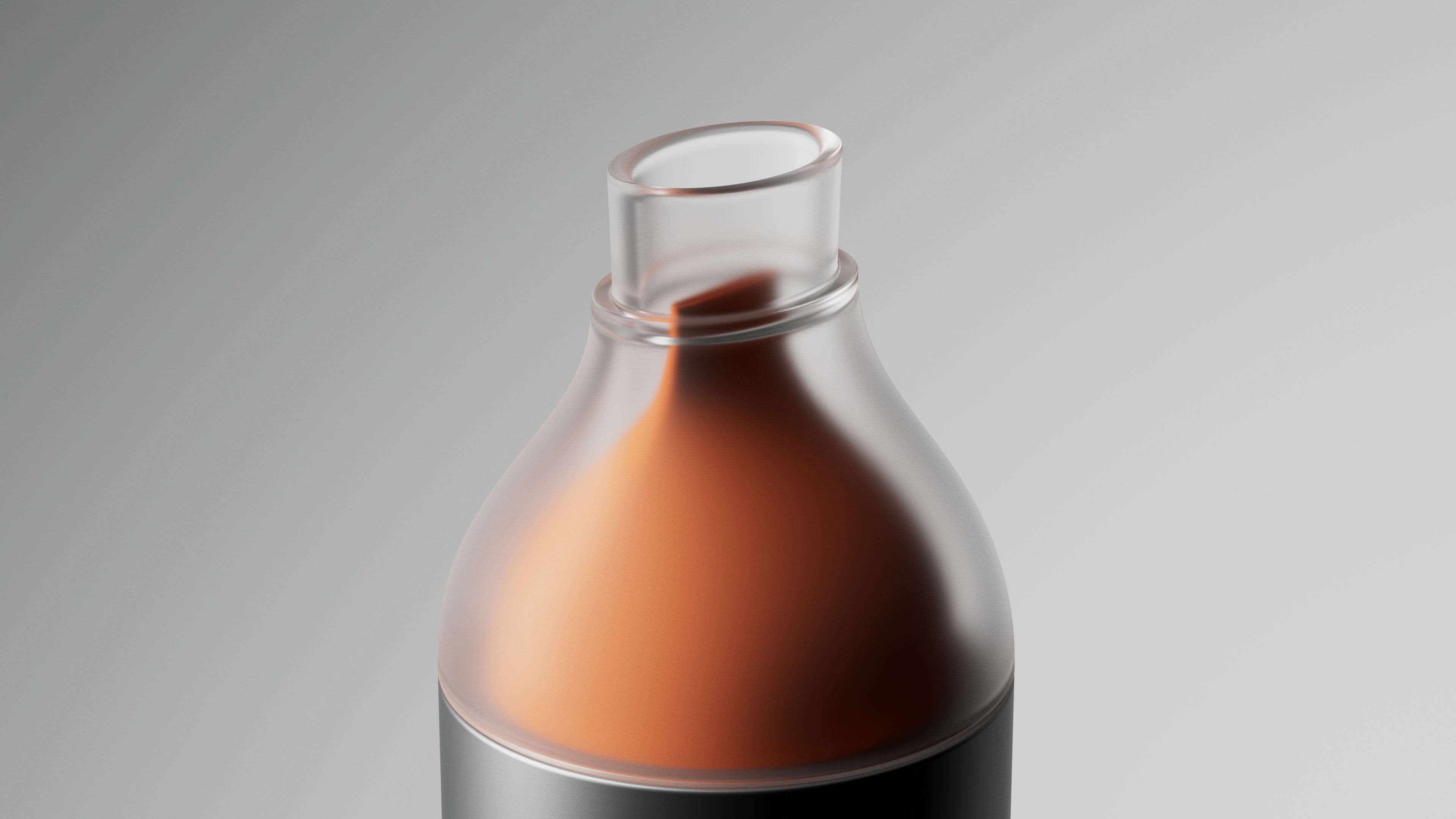
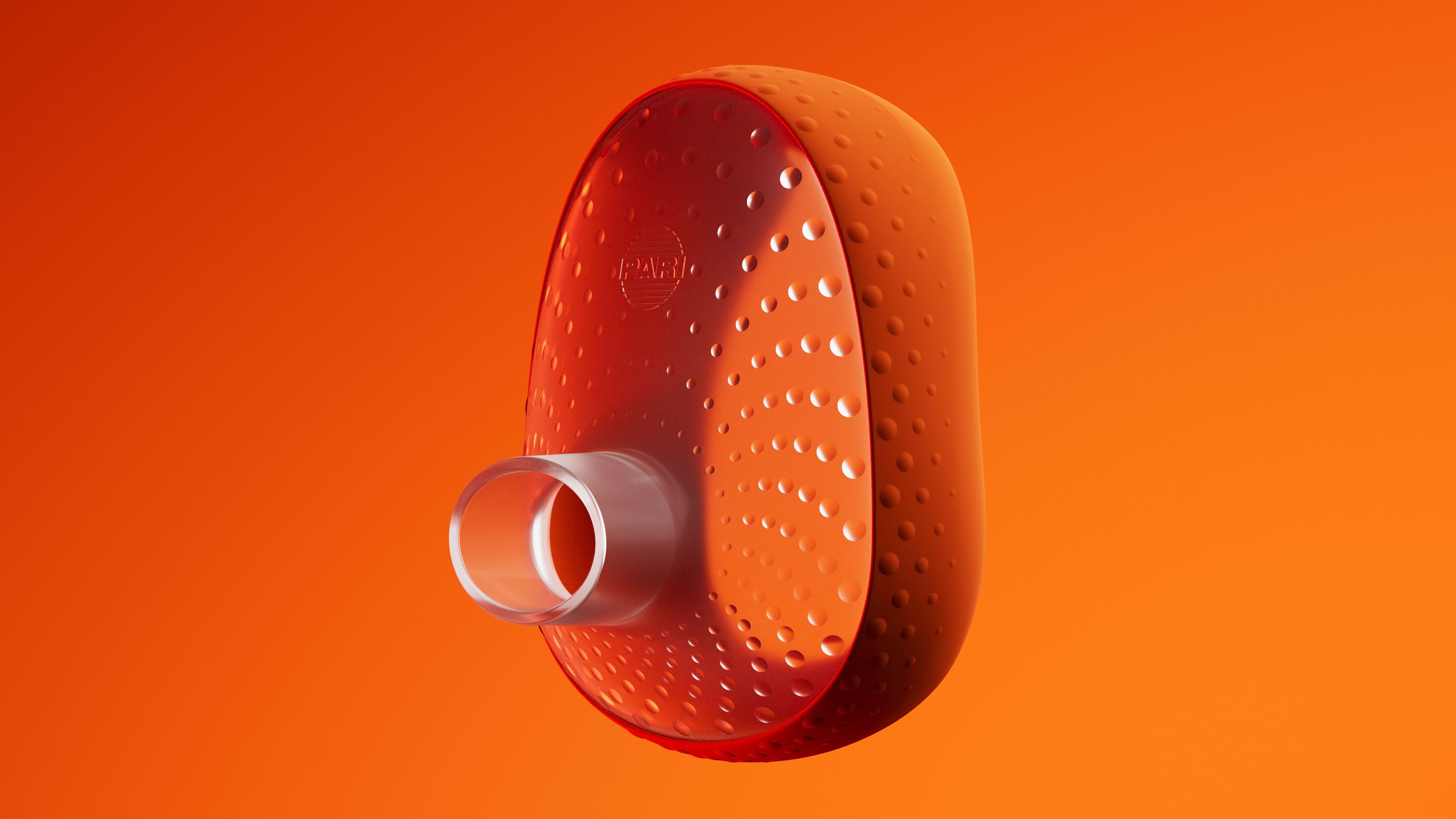
A shared language needed a shared logic. We built both masks around airflow: how the aerosol moves, how it's inhaled. Same DNA, different products. Still distinct enough to tell apart at a glance.
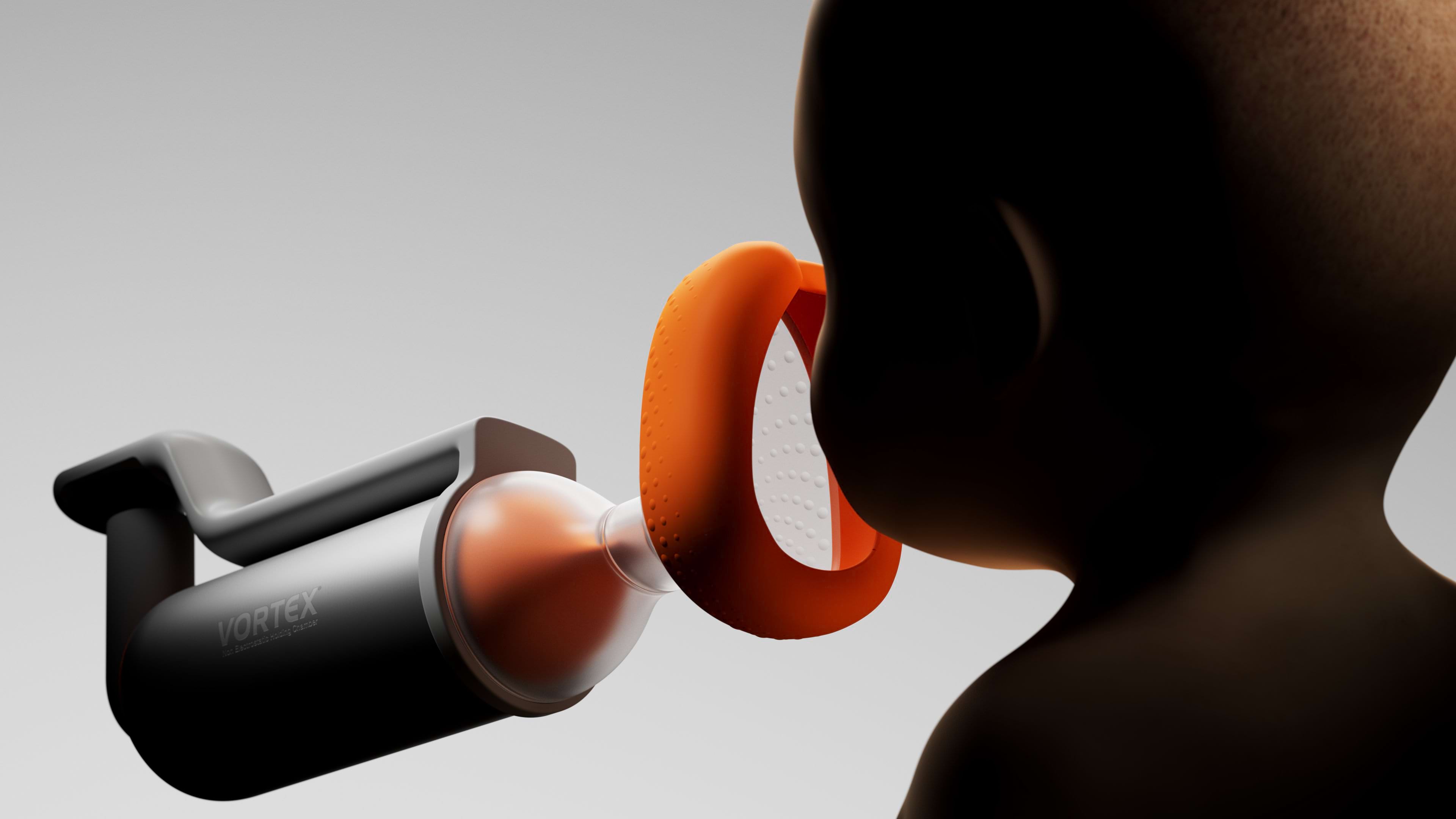
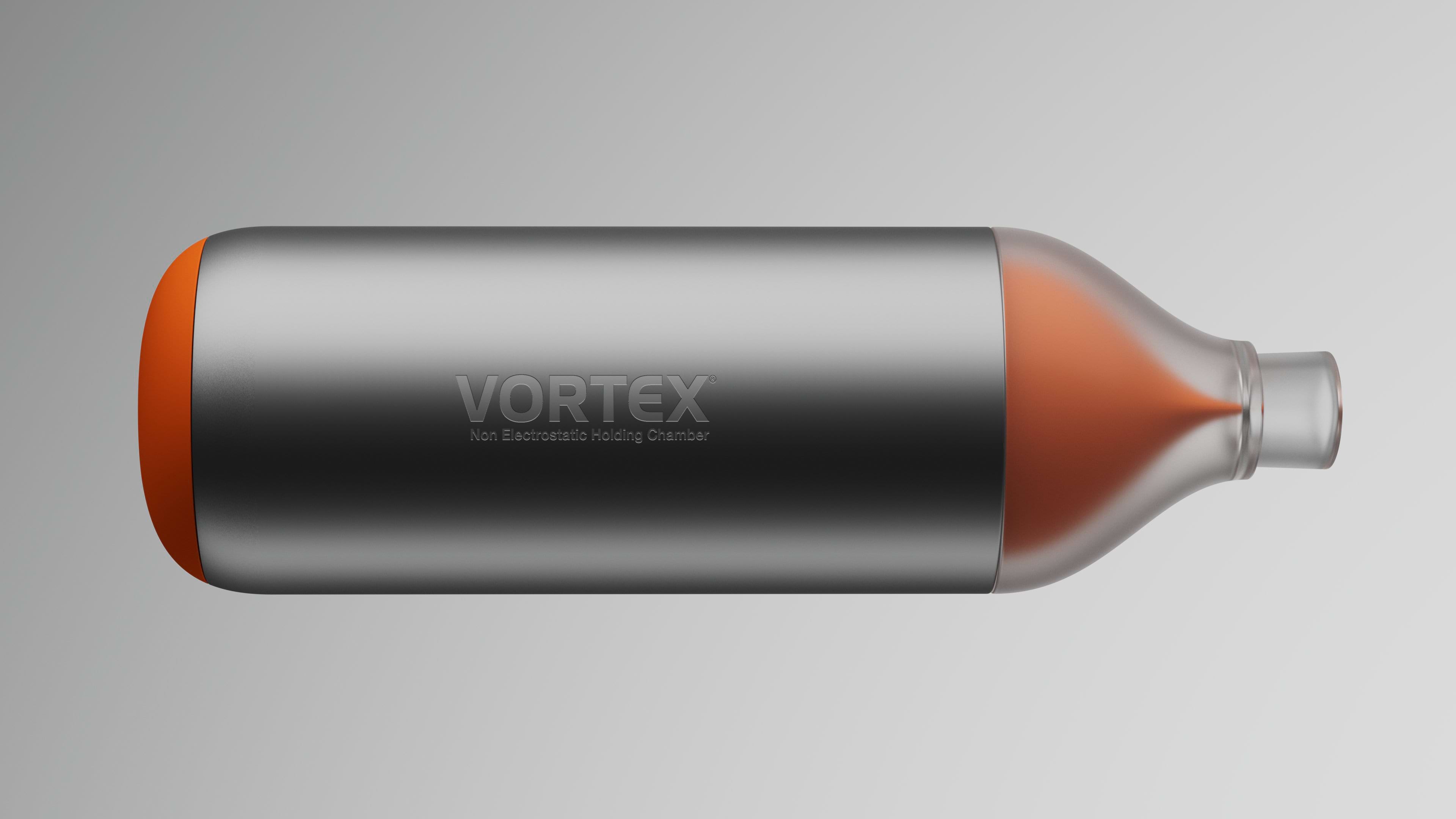
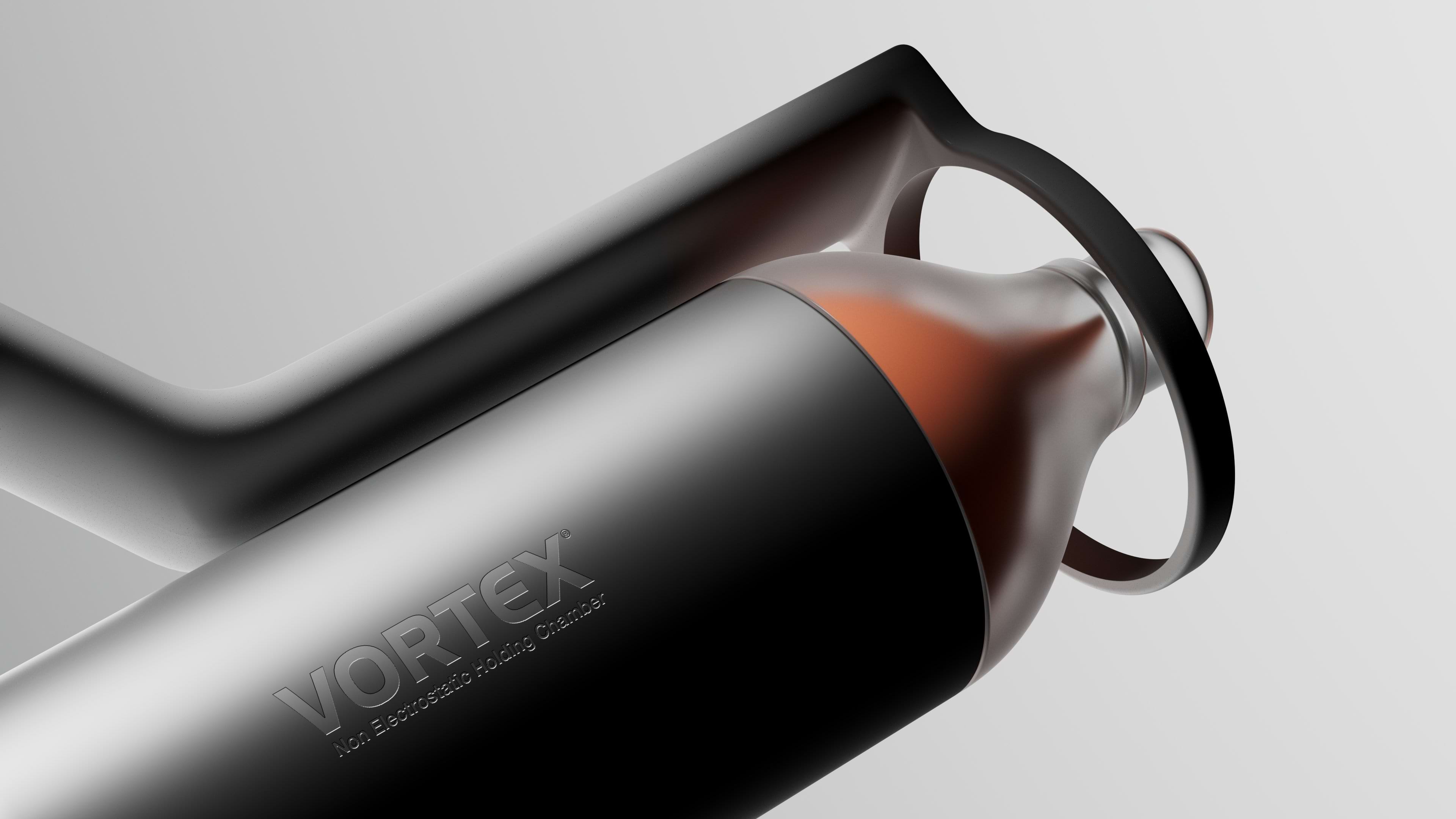
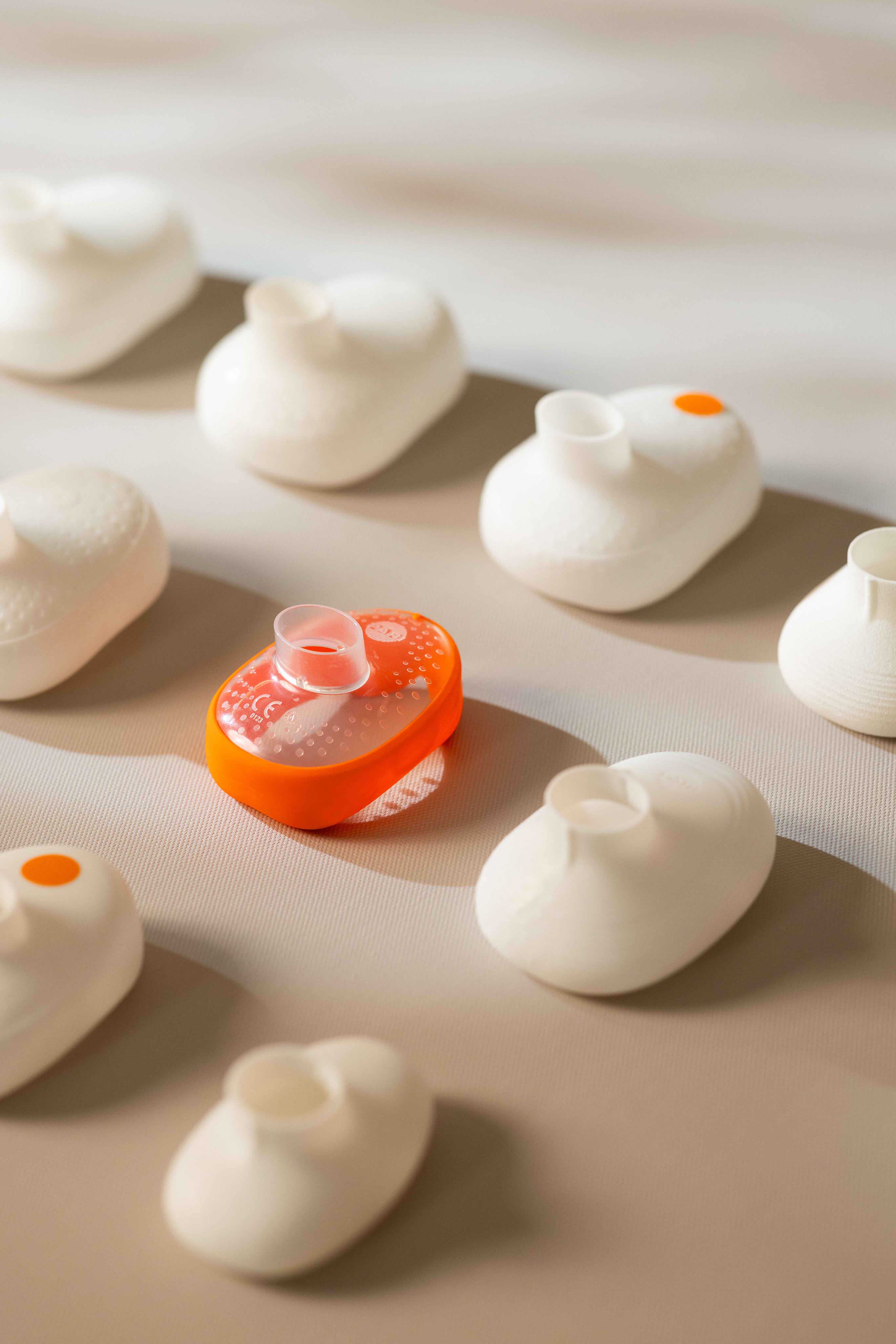
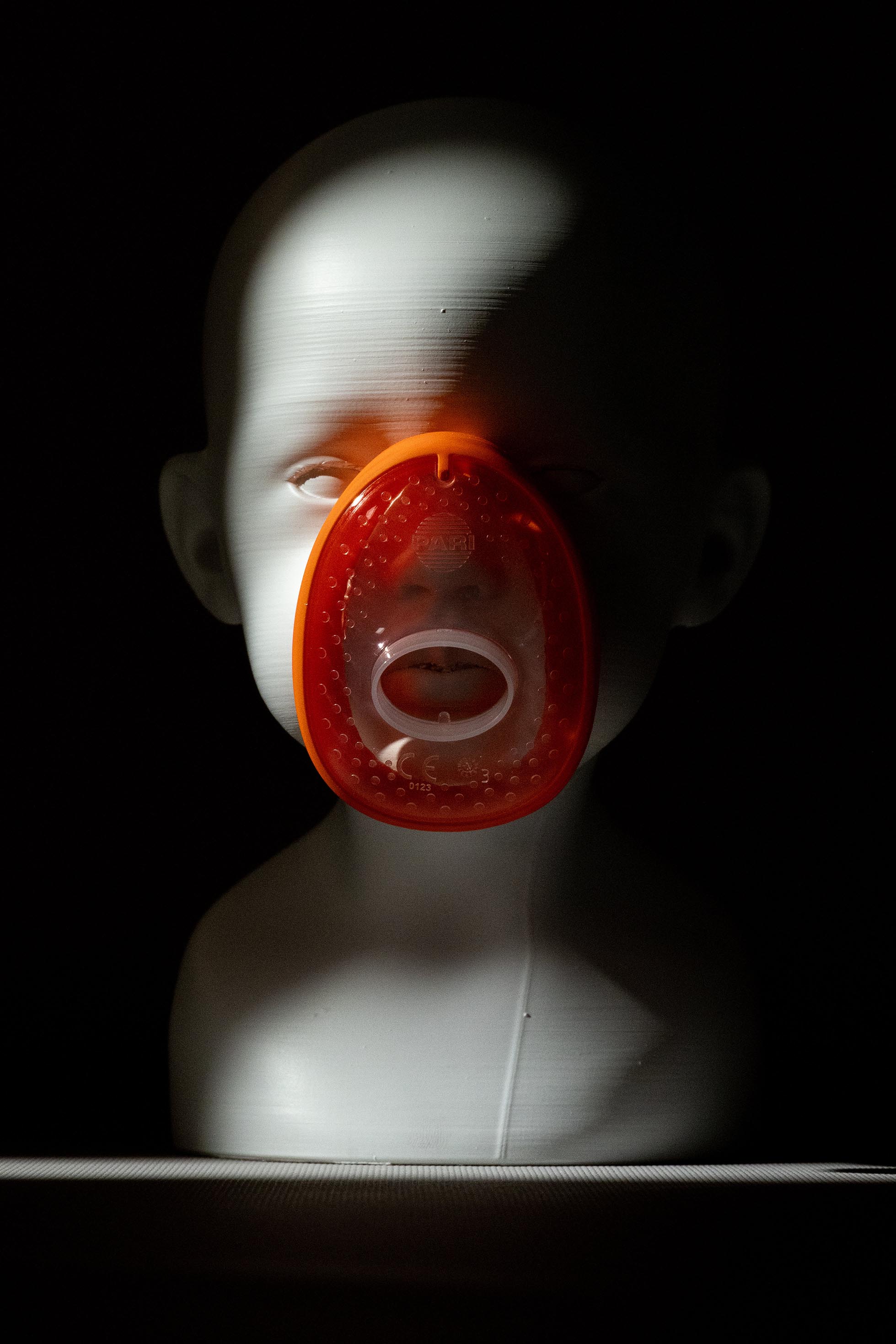
Two masks, one system. An anti-static chamber that stops medication sticking to its walls. A cyclonic dual-valve airflow path. A softer mask geometry shaped to the face with minimal pressure. A handle and pump refined for grip, engineered to stay cost-effective at scale. Colour built into the mould, not applied after: yellow for baby, orange for child. A fading dot pattern, drawn from the aerosol's own dispersion, as the shared visual signature.
Iterative prototyping alongside PARI's engineering team. Every version tested for seal, fit and comfort, with particular care for how the mask feels for children and the caregivers using it on them. Airflow research shaped both the performance and the look, developed as one thing, not two.
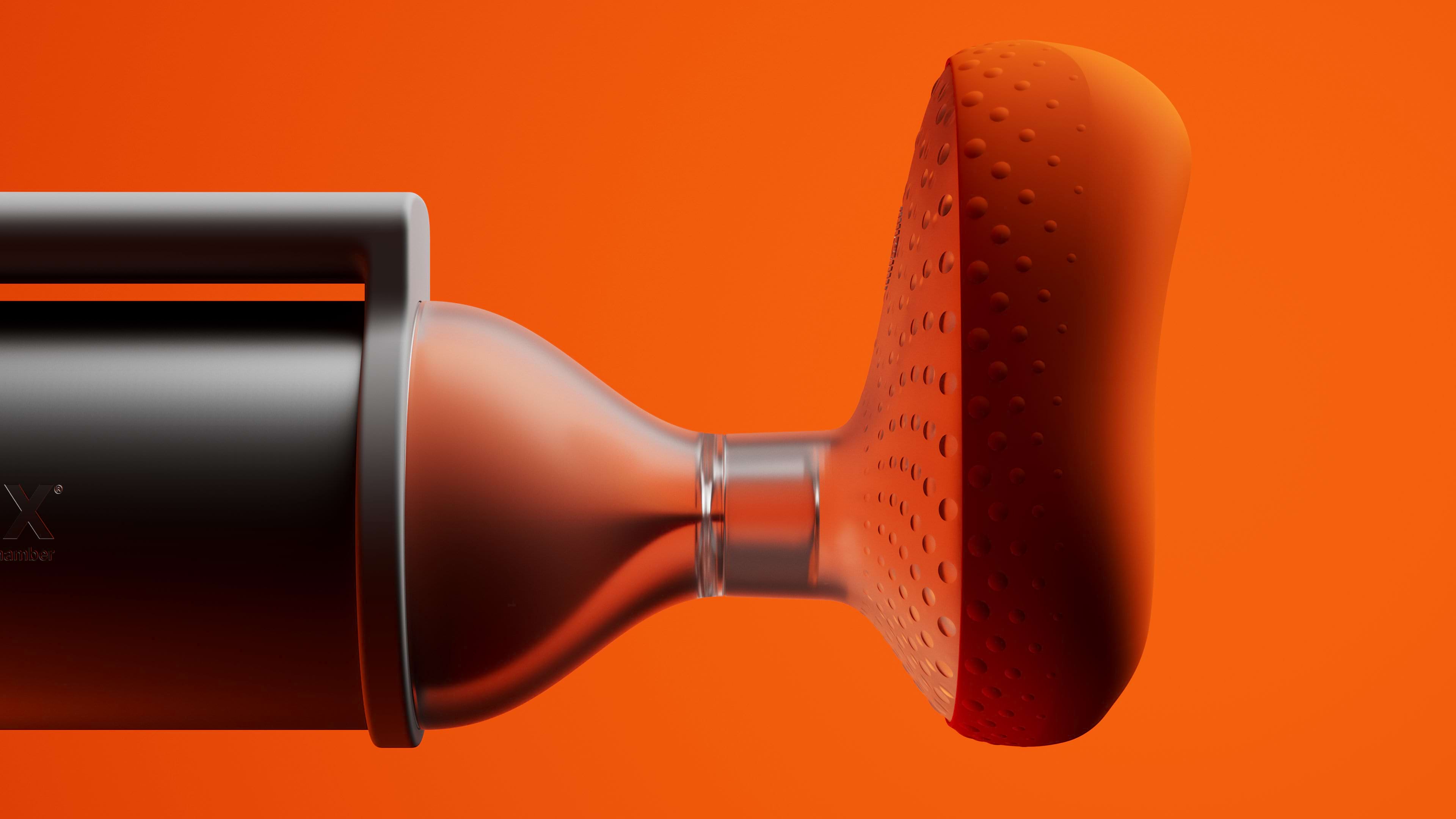
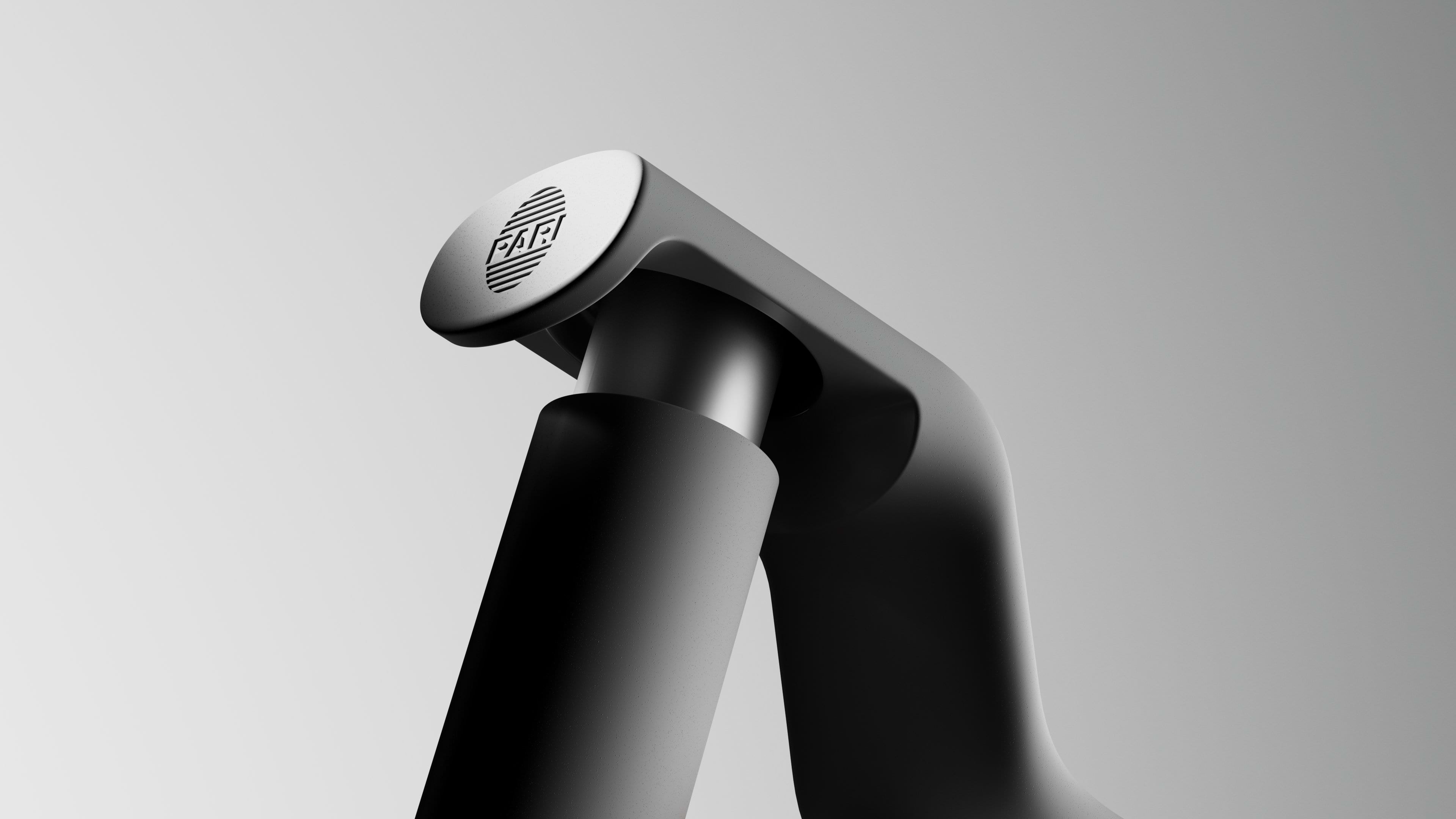
Reduces leakage to as low as 1.3%, for more consistent delivery. Softer contact reduces stress during use, especially for children. One-handed operation supports parents, caregivers and users with reduced dexterity. Two years on, both masks are in daily use worldwide.
Element didn't just design a mask. They took the time to understand what we actually needed, then pushed back where it mattered. Straightforward to work with, and the kind of team you trust with the details.